
Replicate Brighton model

©TM/IMAGO
In one of the most remarkable stories in European football this season, Heart of Midlothian are leading the way in an absorbing three-way title race in Scotland. Hearts haven’t been crowned champions for 66 years and even the most optimistic supporter wouldn’t have dreamt that hoodoo would end this season. For those unaware, Scottish football has been duopolised by Celtic and Rangers for decades due to the financial disparity between them and the rest. This is firmly evidenced by the fact that no club outside of the two Glasgow giants have won the title in over 40 years – Sir Alex Ferguson famously led Aberdeen to glory in 1984.
Hearts, however, stand on the brink of history. Ahead of their showdown at Tynecastle against Rangers this afternoon, Derek McInnes’ men sit top of the Scottish Premiership table and they’ve occupied that position since late September. Hearts are ahead of Celtic on goal difference and victory in their game in hand over Rangers – they’ve not lost at home all season – would extinguish the Ibrox sides flickering title hopes. If Hearts pull off the unthinkable, it would represent one of the greatest achievements in the history of Scottish football. That will be decided over the coming weeks but we’ve examined why their transfer strategy will be the critical factor in challenging Celtic and Rangers in the long-term and becoming a major force.
An overview of Hearts’ transfer business
To understand the financial disparity between Hearts and the Old Firm, you only need to look at their accounts from last season. Celtic’s total revenue was €166 million, Rangers’ stood at €109m, while Hearts was €28m – more than five times less than Celtic. That merely contextualises how much credit they deserve for even being in a title race. Moreover, Rangers invested €43.7m on new signings this summer, Celtic €30.2m and Hearts just €5m. To put it simply, they are dining at different tables but Hearts have one massive advantage over their rivals in terms of recruitment and it will be paramount to their future ambitions – Jamestown Analytics.
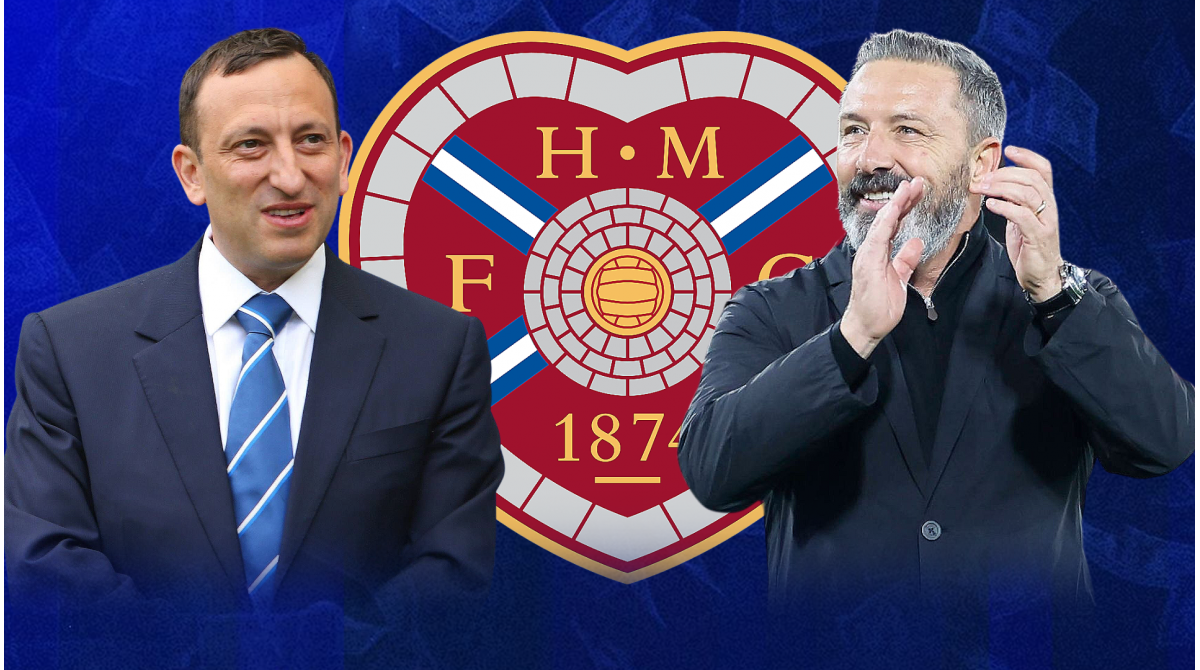
In November 2024, Hearts announced a partnership with the data analytics service owned by Brighton chief Tony Bloom. In June 2025, Bloom invested in excess of €10m to purchase a 29% share of Hearts and this must be viewed as a seismic day in the club’s illustrious history. Brighton’s fortunes have been transformed since Bloom completed his takeover in May 2009, rising to the English Premier League and utilising the lauded analytics system has been instrumental to the Seagulls competing in the richest league in the world. And ultimately, Hearts’ ability to implement a profitable player trading model will be the key to their long-term success as it’s ultimately the only way to close the financial gap to Celtic and Rangers.

As the graphic above illustrates, Hearts are not only miles behind Celtic and Rangers in terms of transfer income across the last ten years but also trailing other Scottish clubs. To put it bluntly, Hearts have been terrible at selling players and Transfermarkt understands this is an area where Bloom has identified for huge improvement. While they have spent time in the Scottish Championship in the last ten years, Hearts have only made €8m from player sales, which is three times less than rivals Hibs. Celtic have enjoyed incredible success from selling players for profit with fans now rightfully questioning why that money hasn’t always been reinvested in new signings. Furthermore, only one of Hearts’ top ten record sales has arrived in the last decade, which further highlights their woeful record in the transfer market but they’ve got the perfect system in place to make significant improvements in this area.

The key to Hearts’ success
It’s completely natural from the outside to attribute Hearts’ success this season to Bloom’s recruitment model, but that would be misleading. In truth, it’s far too soon to truly draw definitive conclusions on how successful that will be implemented but James Penrice’s sale last summer was an indication of an improved mindset within Hearts’ hierarchy. The left-back was happy to remain at Tynecastle but it was decided to cash in on a player, who arrived on a free for a substantial fee. Only three signings identified by Jamestown have played pivotal roles in Hearts’ success this season; Claudio Braga, Alexandros Kyziridis and Alexander Schwolow. Braga’s market value has soared from €500k to €6m and his expected departure this summer will provide the blueprint for Hearts’ new business model.
To gain insight on the Gorgie club, we spoke to Craig Cairns, journalist from the Hearts Standard- the most respected media outlet covering the club. Asked how important Hearts’ transfer strategy will be in achieving long-term success, Cairns replied: “I think it’s paramount really, because that’s how they’re going to bridge the gap. That’s the secret sauce really, as the one identifying talent that others don’t or finding value in the market that others don’t and then flipping them, giving them a platform. To develop and then to flip them and that in turn generates more funds to then buy bigger, spend bigger transfer fees, bigger outlays on players basically.
Link Rubrik=”Hearts” Text=”Transfers by season” URL=”https://www.transfermarkt.co.uk/heart-of-midlothian-fc/alletransfers/verein/43″]
“I think it’s paramount and I think that the fact that Hearts are ahead of schedule shows that it’s already working, it’s already worked! Hearts are in a transition away from legacy signings to Jamestown signings and I think that both have been just as important this season. Existing players have been key to Hearts’ success this season but the plan will be to have a team full of Jamestown signings, so it will become even more important in time.”
Brighton’s success in the transfer market
Before analysing Brighton’s success in the transfer market, it’s worth acknowledging Bloom’s impact since investing into Union Saint-Gilloise (USG) in Belgium in 2018. When the 56-year-old purchased a minority stake, the value of ISG’s squad stood at just €8.18m, but it’s now valued at €122.5m – an increase of 1399%. Since USG began using Jamestown analytics, USG rose from the lower leagues in Belgium football to win the title seven years later and understandably many view their success as the template for Hearts to follow. However, Transfermarkt sources in Belgium and those close to USG have downplayed the extent of Bloom’s influence in their success, which may be surprising and we’ve therefore examined Brighton.
Bloom oversaw his boyhood club rising from the third-tier of English football to the Premier League and European qualification for the first time in their history. Brighton’s success in the transfer market has been key to their success and it’s allowed them to punch firmly above their weight. As the graphic below illustrates, Brighton have the fifth highest transfer income since their promotion to the Premier League in 2017. They’ve brought in €645m in player sales, which is miles above powerhouses like Manchester United and Arsenal. They’ve consistently unearthed diamonds from obscure markets, before developing them to be sold for vast profits – Moises Caicedo, Alexis Mac Allister and Yves Bissouma are just a few examples.
 Kieran Maguireis the leading football finance expert in the UK and also a well-known Brighton fan. On Bloom’s success, he told Transfermarkt: “Brighton have had to be smart rather than big in order to compete with some of the other clubs in the Premier League and they’ve done that on the back of Tony Bloom’s mathematical genius which has allowed him to create algorithms which assess players across a variety of criteria which as yet nobody else has matched.
“Bloom’s ability to utilise this section of the market has meant that Brighton’s made more money from player sales in the nine seasons that they’ve had in the Premier League than they have from ticket sales and for a club with probably about fourth or fifth lowest capacity in the division it makes a huge difference and allows the club to potentially be having its third top ten finish in the Premier League in four seasons in what’s an increasingly wealthy and increasingly challenging division to succeed.” If Hearts can win the Scottish Premiership this season then celebrations across Gorgie will last for days but their key to long-term success is unquestionably in the transfer market.












Leave a Reply