
January 23, 2026
2 min read

Key takeaways:
- Average daily steps and lightly active minutes were linked to glaucoma in a univariable, but not multivariable, model.
- Exercise is still important to recommend for overall cardiovascular health.
Fitbit-recorded physical activity showed no definitive relationship with the diagnosis of primary open-angle glaucoma in an analysis of NIH data published in Journal of Glaucoma.
“Many of our patients with open-angle glaucoma frequently ask what lifestyle interventions, beyond medications and procedures, might help with their disease,” study author Patrick Akarapimand, of Hamilton Glaucoma Center at Shiley Eye Institute, told Healio. “Physical activity and exercise are among the most common topics raised in these conversations, as patients are eager to understand whether changes to their daily habits could meaningfully affect their eye health.

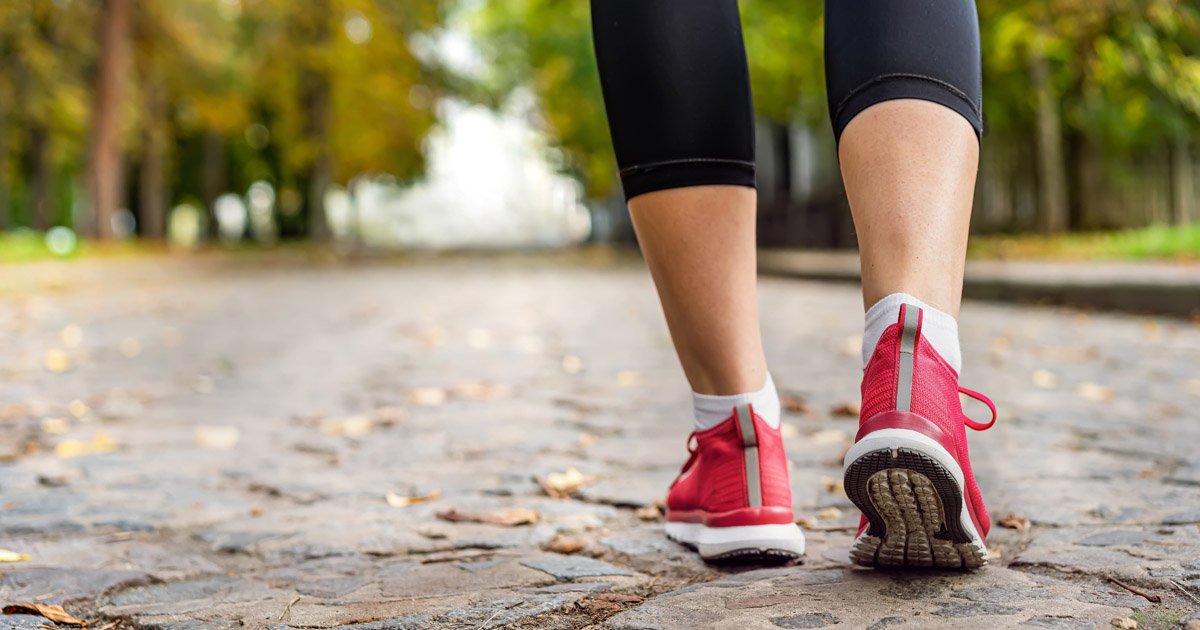
Fitbit-recorded physical activity showed no definitive relationship with the diagnosis of primary open-angle glaucoma in an analysis of NIH data. Image: Adobe Stock
“When we reviewed the existing literature, we found that results were mixed. … Notably, we found no prior U.S.-based studies that examined habitual physical activity — the routine activity people accumulate through daily living, such as walking, working, commuting and shopping — using objective wearable data.”
To address that gap, Akarapimand and colleagues analyzed data from the NIH All of Us Research Program. The analysis included linked Fitbit (Google) data for 226 participants diagnosed with primary open-angle glaucoma and 7,954 controls without a glaucoma diagnosis.
“We compared average activity levels between these groups and used statistical models to see whether activity levels were associated with glaucoma after accounting for key differences such as demographics, medical comorbidities and medication use,” Akarapimand said. “We then repeated this analysis looking separately at people with mild, moderate and severe glaucoma.”The only significant results were in an unadjusted model in which individuals with glaucoma took 6,673 steps per day on average, significantly fewer than the average of 6,891 steps in those without glaucoma (P = .04). They also had significantly fewer lightly active minutes than those without glaucoma (180 vs. 193; P < .001).
However, step count and lightly active minutes had no significant relationships in multivariable models, nor did other metrics.
The researchers found similar results in analyses restricted to participants older than 40 years and 65 years, suggesting that “potential differences in the physical activity level of younger populations” were not a confounding factor.
“The key takeaway is that habitual physical activity, as measured by Fitbit, was not independently associated with primary open-angle glaucoma diagnosis or severity,” Akarapimand said. “Recommending exercise is still pertinent for overall cardiovascular health.”
Ophthalmic imaging should be used in future investigations into this topic, Akarapimand said.
“Our study relied on diagnosis codes for glaucoma status, but access to visual fields and OCT data would allow true severity and progression modeling,” he said. “All of Us is currently piloting a program to add this data to the database. Future studies can also conduct longitudinal analyses, which track incident glaucoma rather than existing diagnoses to examine whether changes in activity precede diagnosis.”
For more information:
Patrick Akarapimand can be reached at patrick.akarapimand@pennmedicine.upenn.edu.
Sources/Disclosures
Source:
Akarapimand P, et al. J Glaucoma. 2026;doi:10.1097/IJG.0000000000002660.
Disclosures:
Akarapimand reports no relevant financial disclosures. Please see the study for all other authors’ relevant financial disclosures. The study was supported by NIH grants and an unrestricted departmental grant from Research to Prevent Blindness. The All of Us Research Program is supported by NIH.

Ask a clinical question and tap into Healio AI’s knowledge base.
- PubMed, enrolling/recruiting trials, guidelines
- Clinical Guidance, Healio CME, FDA news
- Healio’s exclusive daily news coverage of clinical data
<








Leave a Reply