
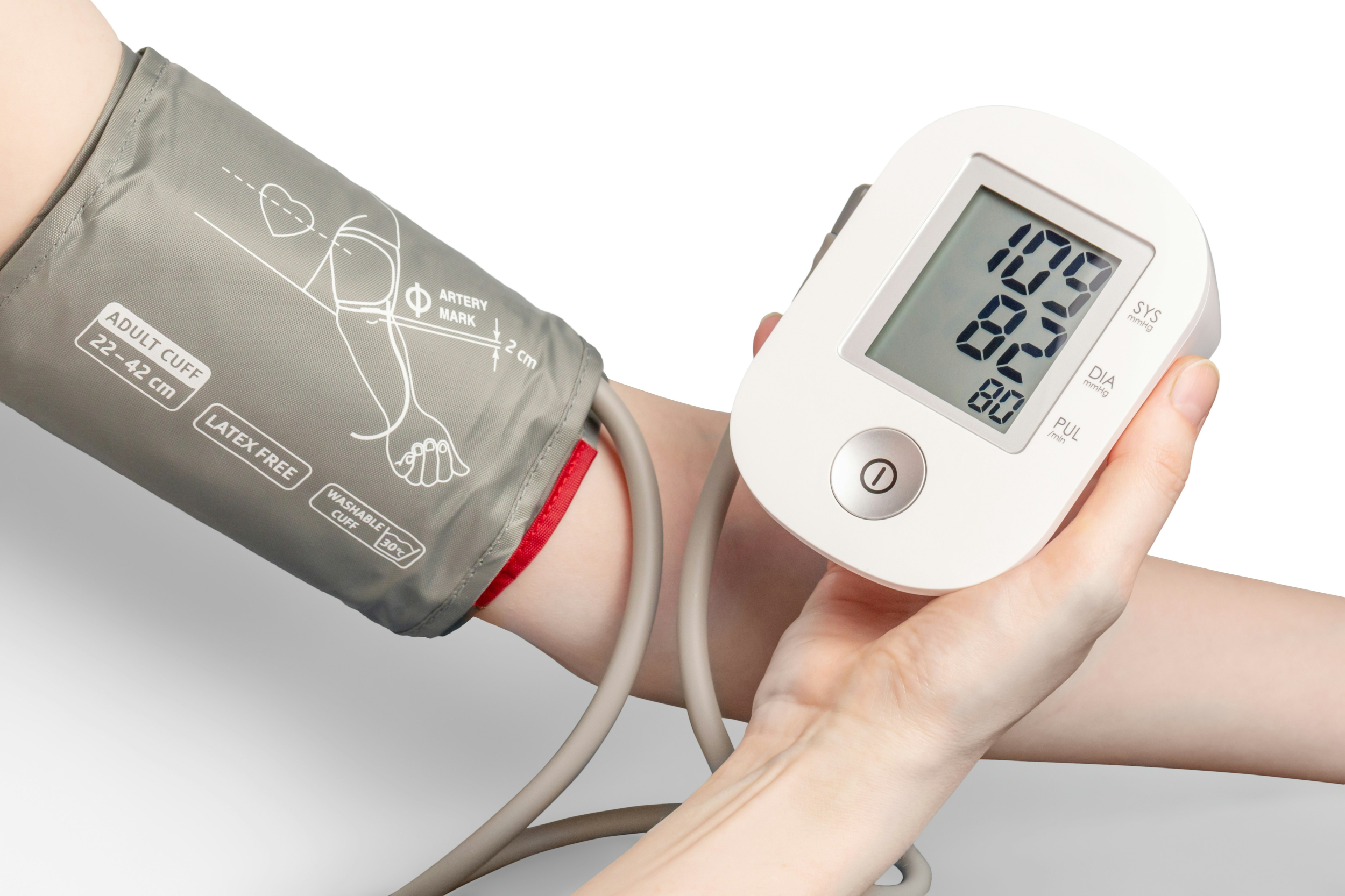
High blood pressure often develops quietly, damaging blood vessels and increasing the risk of heart attack, stroke, and kidney disease. Many people do not notice symptoms until complications appear, which is why prevention matters early. The good news is that lifestyle choices can make a major difference in reducing risk and improving long-term heart health.
Simple daily habits such as better nutrition, regular movement, healthy sleep, and stress control can help lower blood pressure naturally. Small changes done consistently often lead to measurable results over time. With the right routine, hypertension prevention becomes more achievable and sustainable for people of all ages.
7 Essential Habits to Prevent High Blood Pressure
Preventing high blood pressure often starts with simple daily choices that protect your heart over time. These seven essential habits can help lower your risk, improve circulation, and support long-term heart health naturally.
1. Follow the DASH Diet
The DASH diet is one of the most effective eating plans to prevent high blood pressure by focusing on fruits, vegetables, whole grains, beans, nuts, and low-fat dairy. Limiting sugary drinks, red meat, and processed foods while adding potassium-rich foods like bananas and spinach can support lower blood pressure and better heart health.
2. Get Regular Aerobic Exercise
Walking, cycling, swimming, and jogging can help lower blood pressure naturally when done consistently. Aim for at least 150 minutes of moderate aerobic exercise weekly to improve circulation, reduce stress, and support weight control.
3. Maintain a Healthy Weight
Carrying extra body weight increases strain on the heart and blood vessels, which may raise blood pressure over time. Losing even a small amount of weight through healthy eating and activity can improve readings and support hypertension prevention.
4. Reduce Sodium Intake
Too much sodium can raise blood pressure in many adults, especially when intake is frequent and high. Choosing fresh foods, reading labels, and seasoning meals with herbs or lemon instead of salt can help reduce sodium levels.
5. Manage Stress Daily
Chronic stress may contribute to unhealthy blood pressure patterns and long-term heart strain. Mindfulness, breathing exercises, journaling, or yoga can help lower stress while supporting better sleep and wellness.
6. Improve Sleep Quality
Poor sleep is linked with a higher risk of high blood pressure and cardiovascular problems. Aim for seven to nine hours of sleep nightly and maintain a regular schedule to improve overall health.
7. Limit Alcohol and Avoid Smoking
Too much alcohol may gradually increase blood pressure, while smoking damages blood vessels and strains the heart. Reducing alcohol intake and quitting smoking can quickly improve heart health and lower long-term risk.
Prevent High Blood Pressure: Dietary Patterns and Food Choices
Prevent high blood pressure by focusing on eating patterns rather than one “superfood.” The DASH diet and Mediterranean-style eating plans both emphasize vegetables, fruit, lean proteins, legumes, whole grains, and healthy fats. These approaches may support better blood pressure levels while improving cholesterol and overall heart health.
According to the Centers for Disease Control and Prevention, reducing sodium, choosing healthier foods, and maintaining a healthy weight are key strategies for managing and preventing high blood pressure. Potassium-rich foods such as beans, leafy greens, potatoes, bananas, and yogurt can also support healthier blood pressure balance. Learn more at
Meal timing can also help some people. Regular meals with balanced portions may support blood sugar stability and reduce overeating later in the day. Sustainable habits matter more than extreme restrictions.
Hypertension Prevention: Exercise Protocols and Monitoring Strategies
Hypertension prevention improves when exercise becomes part of a weekly routine. Moderate aerobic movement such as brisk walking for 30 to 45 minutes on most days can strengthen the heart and help lower blood pressure. Resistance training two to three times weekly may add further benefits.
Based on guidance from the American Heart Association, regular physical activity is one of the most effective natural tools for lower blood pressure and heart health. Combining cardio exercise with strength training can improve circulation, body composition, and metabolic wellness. More guidance is available at
Home blood pressure monitoring is also valuable. Use a validated device, measure at consistent times, and track trends rather than single readings. This can help identify patterns and motivate healthier habits.
Heart Health: Sleep, Stress Reduction, and Long-Term Lifestyle Support
Heart health depends on more than food and workouts. Sleep quality, emotional stress, and routine daily behaviors all influence blood pressure. Poor sleep and ongoing tension may keep the body in a heightened stress state that affects vascular function.
Based on research from National Heart, Lung, and Blood Institute, sleep habits, stress management, and healthy routines are important parts of blood pressure control and cardiovascular wellness. Relaxation techniques such as deep breathing, meditation, and consistent sleep schedules may help support healthier readings. Learn more at
Long-term success usually comes from stacking small habits rather than chasing quick fixes. Protecting heart health is often about what you repeat daily.
Essential Heart Health Habits for Lifelong Blood Pressure Control
High blood pressure prevention works best when healthy habits become part of everyday life. Eating better, moving regularly, sleeping well, managing stress, and avoiding tobacco all work together to reduce long-term risk. Even modest changes can create meaningful progress when maintained consistently.
Lower blood pressure goals do not require perfection. What matters most is building routines that fit your lifestyle and can last for years. With patience and consistency, hypertension prevention becomes a realistic path toward stronger heart health and better overall wellbeing.
Frequently Asked Questions
1. Can high blood pressure be prevented naturally?
Yes, many people can reduce risk through lifestyle habits. Healthy eating, exercise, sleep, and stress management all help. Avoiding smoking and excess alcohol also matters. Genetics can still play a role, so regular checkups remain important.
2. What foods help lower blood pressure?
Foods rich in potassium, fiber, and healthy fats may help. Examples include leafy greens, beans, oats, berries, yogurt, nuts, and fish. Lower-sodium choices are also helpful. Balanced eating patterns matter more than single foods.
3. How much exercise helps blood pressure?
A common target is 150 minutes of moderate activity weekly. This can include walking, biking, or swimming. Strength training can add benefits as well. Consistency matters more than intensity for many people.
4. When should I see a doctor about blood pressure?
See a doctor if readings stay elevated or symptoms concern you. Severe headaches, chest pain, or shortness of breath need prompt care. Regular monitoring helps catch issues early. Professional guidance is useful for personalized treatment plans.
<











Leave a Reply