
Inspection found overall positive responses in doctors’ training experiences, but under-resourced systems led to delays and welfare concerns
HR and IT systems in the country’s children’s hospitals are posing a potential risk to patient safety, while unprofessional behaviour by senior management in the past was not handled appropriately, an inspection by the Medical Council has found.
The review identified areas requiring immediate attention, including a situation where doctors in one hospital are left relying on phone calls to obtain blood test results, which the inspectors said introduces the risk of mishearing critical patient information.
“Overall, staff highlighted operational inefficiencies with potential patient safety implications due to ICT access issues where multiple logins are required for various systems coupled with and restricted access to key clinical platforms,” the report said.
“These challenges affected doctors at all levels, from consultants to NCHDs, and contributed to delays in care and communication.”
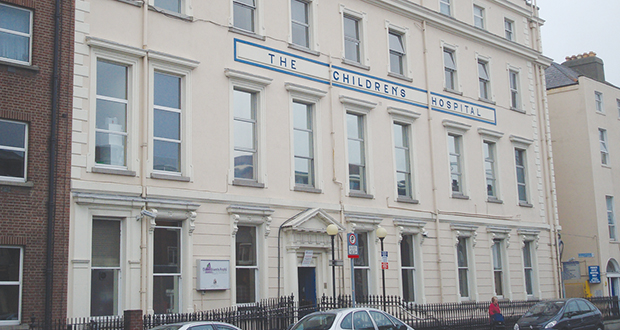
The inspections of the three Children’s Health Ireland (CHI) hospitals at Crumlin, Tallaght and Temple Street were initiated by the CHI CEO Lucy Nugent in response to concerns being brought to the Medical Council around the findings of an internal investigation into one of the sites in 2021/2022.
That report, which came to the public’s attention last year, uncovered a negative workplace culture at a clinical department which had the ‘potential to put patients at risk’.
Referring to the management of complaints, this new report stated that “it was evident stemming from conversations with various staff that historic handling of unprofessional behaviours by senior management was not managed appropriately.”
The report noted that “a failure to properly acknowledge and feedback appropriate next steps was lacking. This leads to the health and wellbeing of staff not being adequately supported.”
These latest inspections, which took place last September, focussed on the sites’ functions as teaching hospitals.
Across Crumlin, Tallaght and Temple Street campuses, trainee doctors were positive about their learning experience, including their ability to get their required assessments completed by their trainer.
Trainees were also clear about the supervisory arrangements in place during their rotations and were mostly positive about the opportunities for training through clinical practice.
Consultants frequently attended the hospitals out-of-hours to maintain high standards of care, and were reported to be consistently available to NCHDs, with trainees reporting confidence in seeking support during on-call hours.
However, the report noted that these commitments often came in the face of ongoing challenges due to poor Human Resources (HR) and Information Communication Technology (ICT) resources.
This included doctors at CHI Tallaght not having access patient records stored on the ‘Evolve’ ICT system, which was used in other children’s hospitals but not there.
Tallaght doctors were also found to not have access to the online iLab system which holds laboratory results. Because of this, blood test findings were relayed over the phone, which the inspectors said posed a potential safety risk concern.
CHI clinicians expressed frustration with having to use up to six separate passwords for different systems. A backlog in the issuing of discharge letters in one hospital was attributed to a system whereby a clinician had to use multiple logins and programmes to create a single letter.
In other cases, NCHDs were forced to use colleagues’ passwords to access patient data as they hadn’t been given their own login credentials. In Tallaght, some staff reported not having official CHI email addresses, leaving them off staff mailing lists for official notifications.
Among the HR issues noted was doctors not receiving ID badges in a timely manner, while trainees had difficulty getting responses from their HR departments.
In some cases employment contracts were issued months after an employee began working at the hospital, while a HR ticketing system for queries led to some emails going unanswered, as the programmed response time on the ticket had automatically expired.
“Doctors reported needing to resolve HR issues during working hours, detracting from patient care and contributing to a sense of being undervalued due to poor communication and lack of support,” the report stated.
“Ineffective HR systems have also led to a significant backlog of unresolved issues, often requiring repeated follow-up and further compounding the significantly delayed or non-response issues from HR. These delays and inefficiencies were reported to have potential implications for patient safety.”
The report makes a number of recommendations. This includes the prioritisation of ‘a proper escalation framework for concerns to be raised at all levels’ that centres on ‘staff psychological safety and wellbeing’.
Across all sites, the inspectors call for CHI’s HR function to be managed at executive and board levels, and for IT issues, particularly around pay and contracts, to be addressed more efficiently.
Overall, all three CHI sites were found to meet the Medical Council’s Accreditation Standards and were granted full approval to provide specialist medical education and training for a five-year period.
In a statement CHI said it welcomed the report and its recommendations, and said that a multidisciplinary working group had been established. Actions already underway or complete include a dedicated HR support clinic and formalised feedback mechanisms for trainees across all sites.
“The report identifies challenges relating to HR and ICT systems, many of which stem from CHI operating across three legacy hospital sites,” the statement said.
“CHI acknowledges these challenges and notes that many ICT-related issues will be resolved through the planned move to the National Children’s Hospital (NCH), which will provide a modern, unified digital and clinical infrastructure.”
It added: “CHI is actively improving current HR processes and trainee induction. Senior academic, clinical and management leadership at CHI, with the full support of the CEO and Board, are committed to delivering the agreed Action and Implementation Plan, which will be shared with the Medical Council.”
<












Leave a Reply