
January 15, 2026
3 min read

Key takeaways:
- A panel of experts reviewed three papers on meniscus tears that impacted their practice.
- One takeaway was “really scrutinizing” the patient’s MRI for meniscus tears before ACL reconstruction.
WAIKOLOA, Hawaii — In a panel discussion at Orthopedics Today Hawaii, Aaron J. Krych, MD, reviewed three papers on meniscus tears published in 2025 that have impacted his practice.
“These papers included a randomized controlled trial on meniscus arthroscopy for degenerative tears; we talked about the [Multicenter Orthopaedic Outcomes Network (MOON)] data, 10 years following ACL reconstruction of meniscus repair, and how that affected outcomes; [and] we talked about bucket handle tears and how they can form after successful ACL operations — that some of these were, in fact, missed ramp lesions,” Krych, department chair and John and Posy Krehbiel Professor of Orthopedic Surgery at the Mayo Clinic, told Healio.

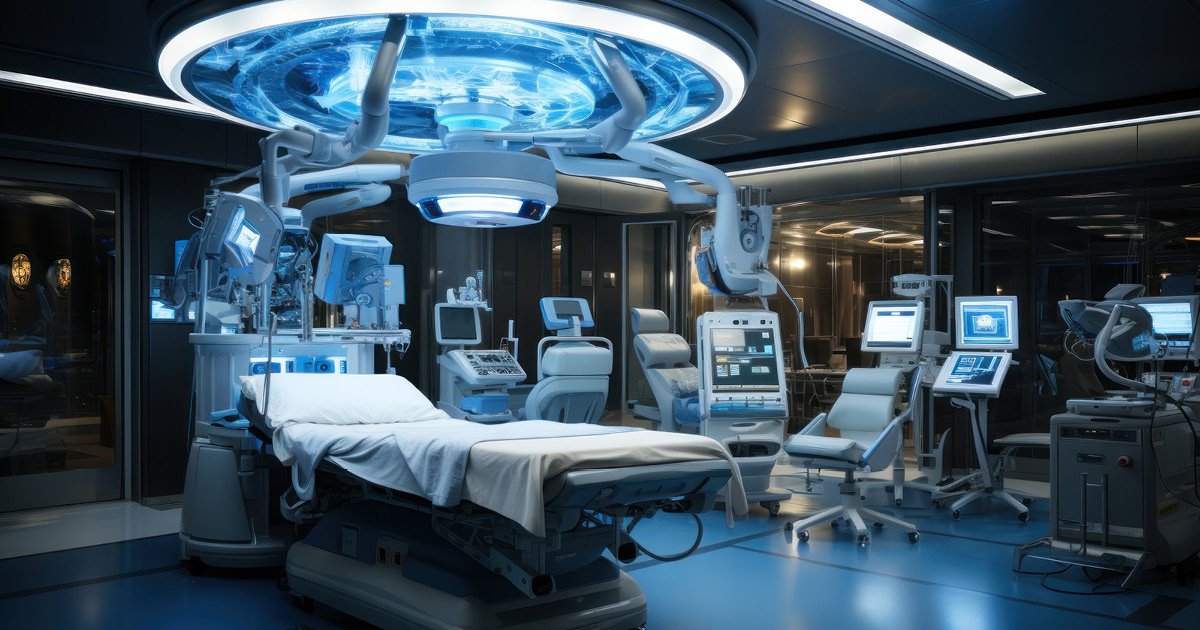
In a panel discussion at Orthopedics Today Hawaii, Aaron J. Krych, MD, reviewed three papers on meniscus tears published in 2025 that have impacted his practice. Image: Adobe Stock
Arthroscopy vs. exercise
The first paper, published by Bjørnar Berg, PhD, and colleagues in the British Journal of Sports Medicine, included 140 participants with a degenerative meniscal tear and no or minimal radiographic osteoarthritis changes. The researchers randomly assigned patients to undergo either arthroscopic partial meniscectomy (n = 70) or 12 weeks of exercise therapy (n = 70).

Aaron J. Krych
Knee OA progression assessed by the Osteoarthritis Research Society International (OARSI) atlas sum score served as the primary outcome, with secondary outcomes including incidence of radiographic and symptomatic knee OA, isokinetic knee muscle strength, and patient-reported pain and knee function.
Results showed an adjusted mean difference in change in the OARSI sum score of 0.39, with participants in the arthroscopic partial meniscectomy group experiencing more progression. Berg and colleagues found the arthroscopic meniscectomy group had an incidence of radiographic knee OA of 23% vs. 20% in the exercise group. Isokinetic knee muscle strength and patient-reported outcomes had no clinically relevant differences between the two groups, according to results.
“Historically, we grouped these all as ‘atraumatic’ meniscus tears and now we’re getting a little bit more nuanced into subclassifying these. How do we know there’s not a radial tear or a root tear in the group that was scoped here that brought the scores down?” Krych said in his presentation. “I’d say, overall, if you don’t have displacement of fragments, it’s clear that physical therapy is very much supportive of nonoperative management, but you have to look for those outliers.”
KOOS pain
The second paper, published by the MOON Knee Group in the American Journal of Sports Medicine, used data from 2,387 patients who underwent unilateral primary ACL reconstruction from 2002 to 2008 without a history of medial or lateral meniscal surgery and contralateral ACL reconstruction to determine whether medial meniscal repair decreased KOOS pain in 10 years after ACL reconstruction as well as assess the consequences of subsequent surgery on the development of KOOS pain.
At 10-year follow-up, 252 patients reported KOOS pain of less than 80 and 1,573 reported KOOS pain of 80 or greater. The MOON Knee Group found patients who underwent a medial meniscal procedure had a significant likelihood of subsequent surgery. Results also showed subsequent surgery significantly increased the likelihood of KOOS pain of less than 80.
When patients had a successful medial meniscal repair without subsequent surgery, researchers found the likelihood of KOOS pain of less than 80 decreased by 7.1%, while the likelihood of KOOS pain of less than 80 increased by 2.9% when subsequent surgery was performed after medial meniscal repair and ACL reconstruction.
“What I take away from this is repair the meniscus, if at all possible, during an ACL because long term that will do better if it heals,” Krych said. “But I think we need to do a better job of repairing the posterior horn to the medial meniscus. It starts with diagnosis, really scrutinizing your MRI, being able to see that tear and doing that posterior drawer. This is why I’m a little bit more conservative with bracing and partial weight-bearing.”
Meniscal bucket handle tear
Finally, in a retrospective review of data from patients aged 18 years or older with a meniscal bucket handle tear after ACL reconstruction, Alexander J. Hoffer, MD, and colleagues found the presence of a ramp tear on preoperative MRI before the index ACL surgery was the only independent factor that predicted the occurrence of medial meniscus bucket handle tear vs. lateral meniscus bucket handle tear.
“Almost three in four patients had a posterior medial bone bruise pattern and possible ramp at the time of ACL injury,” Krych said. “Their take home was that these unrepaired ramp lesions are a risk factor for subsequent bucket handle tears. The takeaway is you have to look at your MRI and study it carefully, but don’t miss it at the time of arthroscopy.”
For more information:
Aaron J. Krych, MD, can be contacted at krych.aaron@mayo.edu.
Sources/Disclosures
Source:
Krych AJ. Meniscus. Presented at: Orthopedics Today Hawaii; Jan. 11-15, 2026; Waikoloa, Hawaii.
References:
Disclosures:
Krych reports being a consultant for and receiving royalties from Arthrex; receiving research support from Aesculap, the Arthritis Foundation, Eby Foundation, Mayo Clinic Regenerative Medicine, Minnesota Regenerative Medicine, NIH and Quattrone Funds; and on the editorial board from the American Journal of Sports Medicine Social Media.

Ask a clinical question and tap into Healio AI’s knowledge base.
- PubMed, enrolling/recruiting trials, guidelines
- Clinical Guidance, Healio CME, FDA news
- Healio’s exclusive daily news coverage of clinical data
<










Leave a Reply