
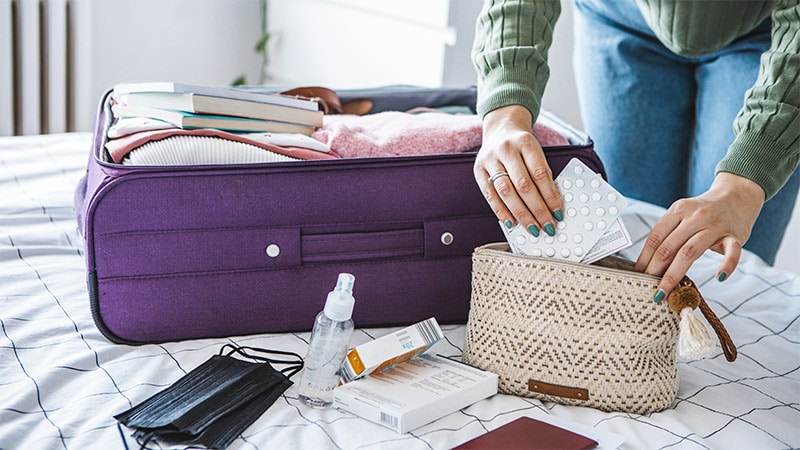
Postoperative complications from medical tourism may be costing the NHS up to £20,000 per patient, according to a rapid review published in BMJ Open.
However, the researchers stressed that data are “incomplete and haphazard,” meaning it is not currently possible to quantify accurately the risks or consequences of opting for surgery abroad.
They noted that the number of medical tourists has risen steadily over several decades, “a trend that shows no sign of abating.” Treatment of postoperative complications usually falls to the patient’s home health service, but there is no systematically collected national data.
Overweight Most Frequent Reason for Surgery Abroad
Drawing on sources published between 2012 and December 2024, the researchers identified 38 reports covering 655 patients treated by the NHS after surgery overseas.
Nineteen reports involved complications from metabolic or bariatric surgery, affecting 385 patients. Seventeen described complications from cosmetic surgery, affecting 265 patients. One report involved eye surgery, affecting five patients.
The most commonly reported procedures were sleeve gastrectomy, breast augmentation, and abdominoplasty.
Türkiye was the most common destination, accounting for 61% of cases. Ninety percent of patients were women, aged 14-69 years.
Details of complications were reported in 22 studies involving 371 patients. At least 196 patients, or 53%, experienced moderate-to-severe complications. No deaths were reported.
Only 14 studies included cost data. Estimated costs ranged from £1058 to £19,549 per patient at 2024 prices.
The researchers said it remains unknown how many UK residents travel abroad for elective surgery, how many develop complications, and the overall impact on the NHS.
They called for improved data collection and public awareness campaigns to inform patients of potential risks and financial liability.
People “should be made aware of which complications the NHS is responsible for treating, and costs for which the patient may be potentially personally liable, including non-emergency treatment,” they said.
‘The NHS is Left to Pick Up the Pieces’
Responding to the study, Professor Vivien Lees, vice president of the Royal College of Surgeons of England, told Medscape News UK that the findings highlighted the real cost of medical tourism for patients and the NHS and the need for reliable national data.
While many overseas providers offered high-quality care, she said gaps in regulation, aftercare, and accountability posed a significant patient-safety risk.
“Too often people are drawn in by cut-price deals and glossy online marketing, only to return with serious, sometimes life-changing complications,” she said. “When things go wrong, the NHS is left to pick up the pieces, often in emergencies and without full information about what surgery was done or by whom.”
This places patients at risk and adds avoidable pressure to overstretched services.
“It should not be the role of the NHS to routinely mop up the mistakes of private providers overseas,” said Lees, a consultant plastic surgeon.
She urged the government to press foreign providers and governments to take responsibility, including covering the costs of complications. Better public information, including through the UK government’s partnership with TikTok, and improved data collection were “essential to protect patients and the NHS,” she said.
People Lured Abroad for Cheap Procedures
A Department of Health and Social Care spokesperson said: “Too many people are being lured overseas for cheap cosmetic procedures, only to come home with life-changing complications that — as this report shows — end up costing the NHS thousands of pounds.”
The department advised anyone considering treatment abroad to research local standards and professional qualifications. Guidance is available on the NHS website.
Patients should also ensure they have appropriate insurance, as specialist cover is required if medical treatment is planned overseas.
The government said it has launched “a major drive to crack down on dangerous medical tourism” and is working with overseas governments to improve patient safety. Updated guidance will be issued in due course.
Medicolegal Concerns
Dr Sarah Townley, deputy medical director at the Medical Protection Society, said the clinical and financial risks of surgical tourism were significant, particularly when postoperative care is not included.
“The risks of surgical tourism to patients and the cost to the NHS when secondary interventions are required — often due to packages not including postoperative care — are concerning,” she said.
Clinicians face particular challenges when managing returning patients, she added.
“Complications can be complex, doctors are unlikely to have access to patient records or post-surgery plans, and there can be uncertainty around consent and clinical responsibility.”
Townley said doctors were increasingly seeking advice on medicolegal issues, particularly consent and responsibility for care when full records are unavailable.
There is “an urgent need for greater public awareness of the risks of surgical tourism,” she said. “Patients need to undertake adequate research and make informed decisions.”
Dr Sheena Meredith is an established medical writer, editor, and consultant in healthcare communications, with extensive experience writing for medical professionals and the general public. She is qualified in medicine and in law and medical ethics.
<









Leave a Reply